Filipino vs Native English Teachers: Which Is Right for You? (2026)
If you’re looking for a 1-on-1 English tutor in Ho Chi Minh City or Binh Duong, you’ll quickly face a choice: a Filipino English teacher, or a native speaker from the US, UK or Australia? Some people worry that Filipino teachers “don’t sound native.” Others say they’re the clearest, most patient teachers they’ve ever had. This guide gives you a fair comparison, including the strengths and trade-offs of each, and a simple way to test any teacher before you sign up.
1. English in the Philippines is not a typical “foreign language”
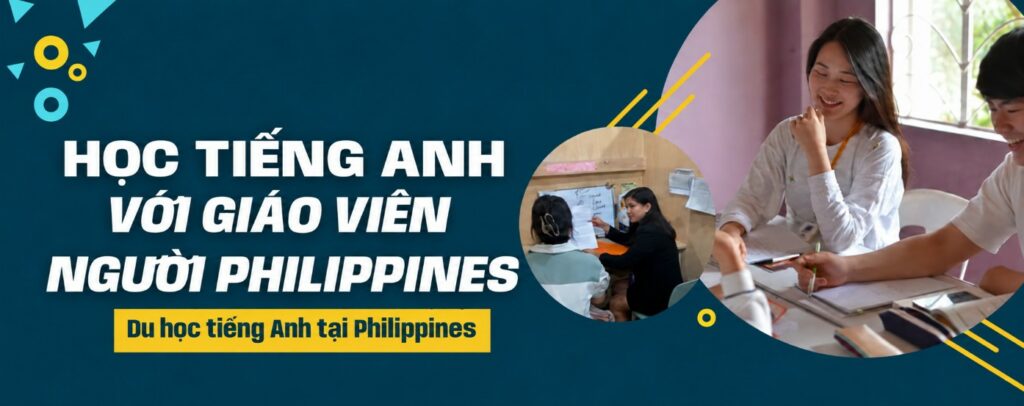
English is one of the Philippines’ two official languages, alongside Filipino. It’s used across schools, universities, government, media and business, and many Filipinos study subjects like maths and science in English from an early age.
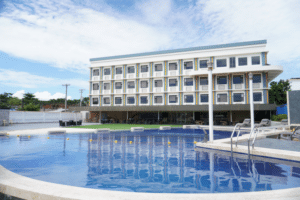
The Philippines is also one of Asia’s biggest hubs for studying English. Language schools in Baguio and Cebu welcome students from Korea, Japan, Taiwan, China and Vietnam every year. ICS English is headquartered in Baguio
So while Filipino teachers aren’t “native speakers” by definition, that isn’t the whole story: many have used English almost every day of their lives.
2. Do Filipino teachers have a good accent?
Honestly, most well-trained Filipino teachers speak clear, easy-to-follow English with an accent close to American English. That’s partly because English education in the Philippines has been shaped by the US for more than a century, and partly because many Filipinos work every day with clients in the US, Australia and the UK.
That said, accents vary from person to person, and that’s true of native speakers too. A teacher from Scotland, the American South or rural Australia has a very distinct accent. What matters isn’t nationality, but whether your teacher speaks clearly and consistently, and knows how to correct your pronunciation.
At ICS English, we take our pride on our teaching qualtiy. You can also judge for yourself in a demo lesson before committing to a course.
3. Filipino vs native teachers at a glance
| Filipino teachers | Native teachers | |
| Accent | Usually clear and close to American English; varies by person | Their country’s natural accent (US, UK, Australia…); also varies by region |
| Learning experience | Learned English as a second language, so they understand learners’ difficulties | Usually acquired English naturally as children |
| Grammar explanations | Usually structured and clear | Varies: some explain brilliantly, others only know “that’s just how we say it” |
| Experience with Asian learners | Many have taught students from Korea, Japan, Taiwan and China | Varies |
| Fees | Usually more affordable, easier to sustain long term | Usually higher |
| Time zone | Only 1 hour ahead of Vietnam, easy to schedule | Depends on where the teacher lives |
| Country-specific culture | Understand international culture through work | An advantage if you’re moving to that country |

4. The real advantages of Filipino teachers
They were English learners too
Filipino teachers learned English systematically at school, so they understand why learners mix up tenses, drop the final “s” or freeze when speaking. They tend to explain the rule clearly instead of saying “it just sounds more natural.”
Patient and experienced with Asian learners
Many have taught students from Korea, Japan, Taiwan and China. They recognise common pronunciation challenges for Asian learners and know how to adjust their pace and explanations.
Fees you can sustain
Progress in English comes from regular practice. More accessible fees make it realistic to study two or three times a week for months, rather than taking a few lessons and stopping.
Easy scheduling
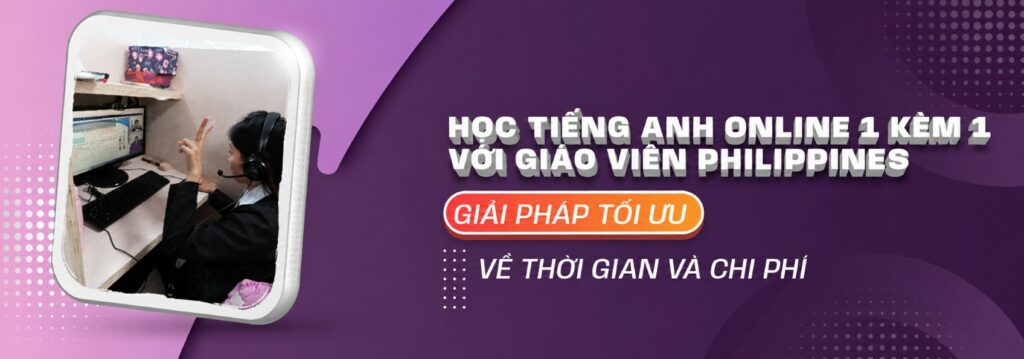
The Philippines is just one hour ahead of Vietnam, so you can study before work or after a long day. At ICS English, you can choose lesson times between 8:00 and 23:00.
5. When a native teacher might suit you better
To be fair, there are situations where a native teacher may be the better choice:
- You’re already at a very advanced level (C1 or above) and want to polish idioms, expressions and cultural nuances of a specific country.
- You’re about to live, study or work in a particular country and want to get used to its local accent, such as British or Australian English.
- You need a teacher with hands-on professional experience in a specialised field in that country.
For most learners, including beginners, professionals who need English at work, IELTS and TOEIC candidates, and children, a skilled Filipino teacher can deliver excellent results at a more manageable cost.
6. How to choose a good teacher, Filipino or native
Nationality is only one factor. Before you sign up, check that:
- The teacher holds a teaching certificate such as TESOL or TEFL and has real teaching experience.
- Their pronunciation is clear and their speaking pace suits your level.
- They correct your specific mistakes rather than just chatting.
- There’s a clear learning plan and your progress is tracked.
- You can take a demo lesson before committing to a full course.
Useful phrases for your demo lesson
Try these in your demo lesson to get used to 1-on-1 learning and see how the teacher responds:
| Could you speak a little more slowly, please? | A polite way to control the pace. |
| How can I say this more naturally? | Asks for real-life phrasing, not just correct grammar. |
| Could you correct my pronunciation, please? | Shows whether the teacher gives specific feedback. |
| What should I focus on to improve faster? | Tests whether the teacher can diagnose your needs. |
| Can you give me an example from real life? | Checks how practical the teacher’s explanations are. |
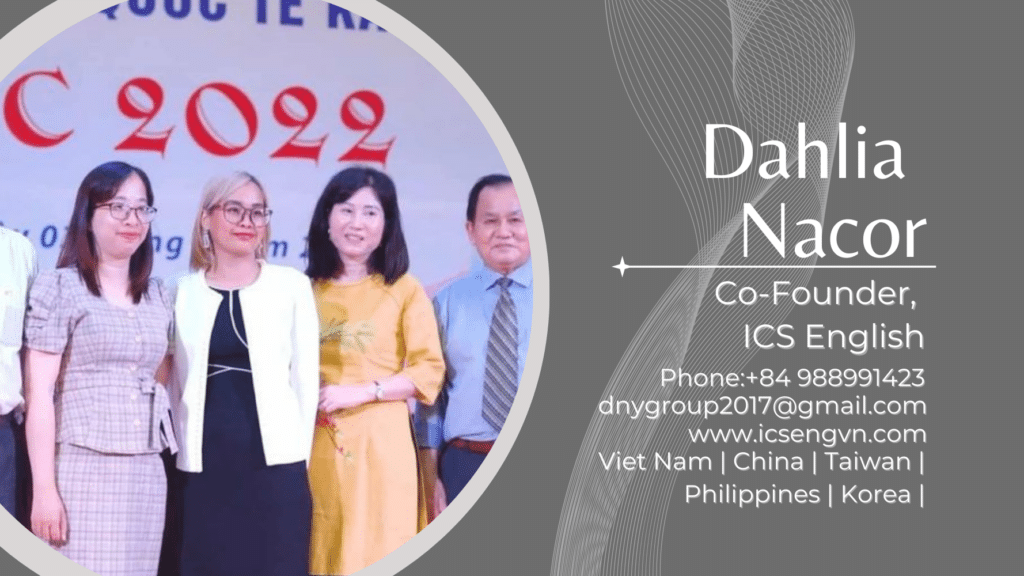
| Tip from an ICS English teacher Dahlia Nacor, 18 years of experience: “Don’t be afraid of mistakes, because in a 1-on-1 lesson every mistake gets corrected on the spot.” |
Frequently asked questions
Will my child pick up a Filipino accent?
Children imitate their teacher’s pronunciation, so choose a teacher who speaks clearly. Well-trained Filipino teachers typically have a clear, American-influenced accent. Join your child’s demo lesson and listen for yourself.
Can I get a high IELTS score studying with a Filipino teacher?
Yes. IELTS Speaking assesses whether your pronunciation is clear and easy to understand, not whether you have a particular accent. Your score depends on your skills, not your teacher’s nationality.
Are lessons online or in person?
You can study online from home or the office, or at our branches in Thu Dau Mot and Thao Dien.
How much do courses cost?
Fees depend on the curriculum (IELTS, TOEIC, conversation, kids’ English and more). Each course is 20 one-to-one lessons of 50 minutes. Message us on WhatsApp for details.
Can I try a lesson first?
Yes. ICS English offers a paid 1-on-1 demo lesson: a real class with a teacher, a level check and a personal study plan. Demo fee is credited toward your course if you enroll within 03 days.
| Book a 1-on-1 demo lesson with an ICS English teacher • 50-minute demo lesson: meet your teacher, get a level check and a personal study plan. • Full course of 20 lessons, about 2.5 months at 2 lessons per week, or faster if you study more often. • Flexible times from 8:00 to 23:00, online or at our Thu Dau Mot and Thao Dien branches. • WhatsApp: +84 988 991 423 | Register: icsengvn.com/register-now/ |
Related articles
- What can you achieve in a 20-lesson 1-on-1 course?
- Why 1-on-1 English lessons work faster than group classes
- How to choose an English tutor in Ho Chi Minh City and Binh Duong